Historic Village of Saltara
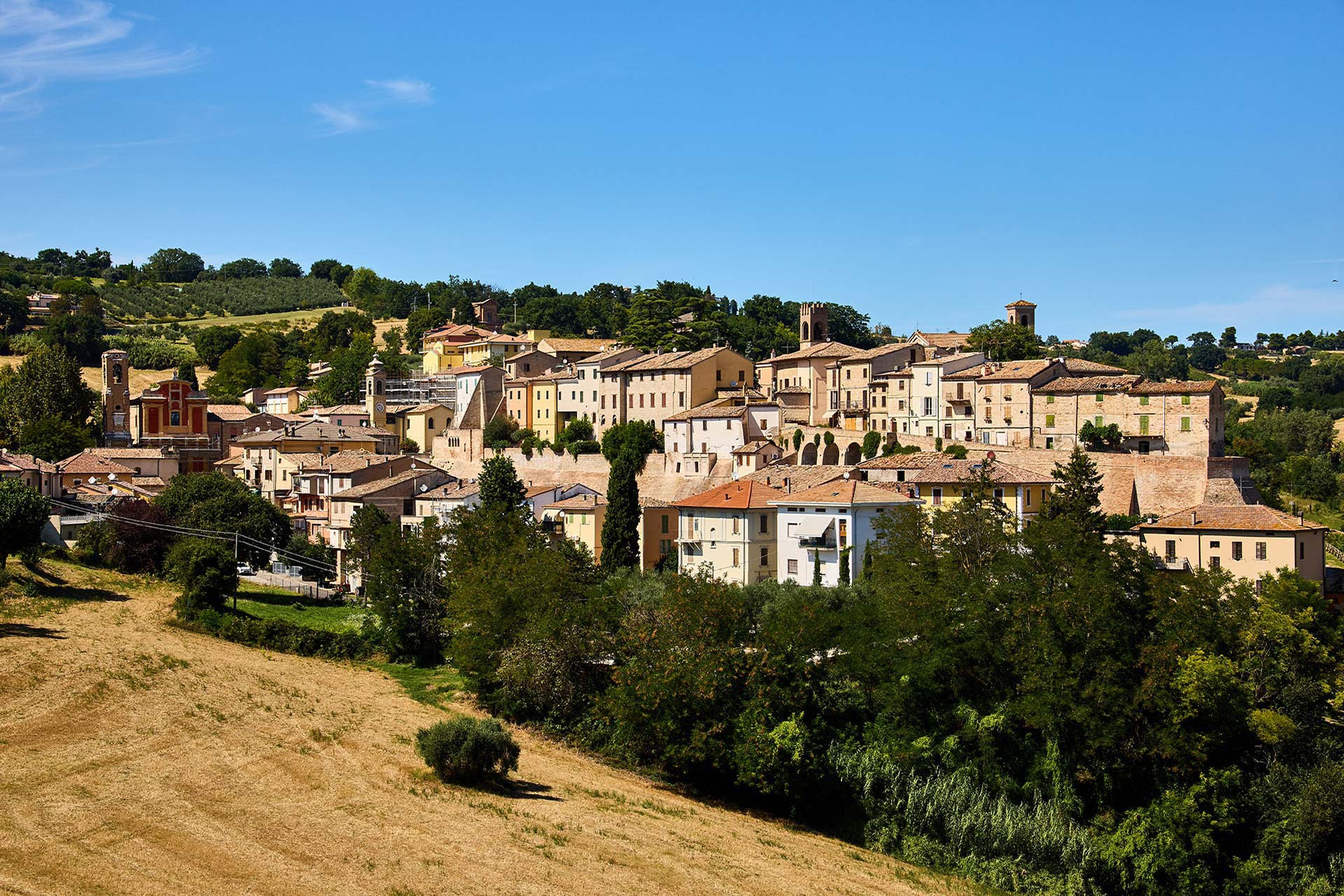
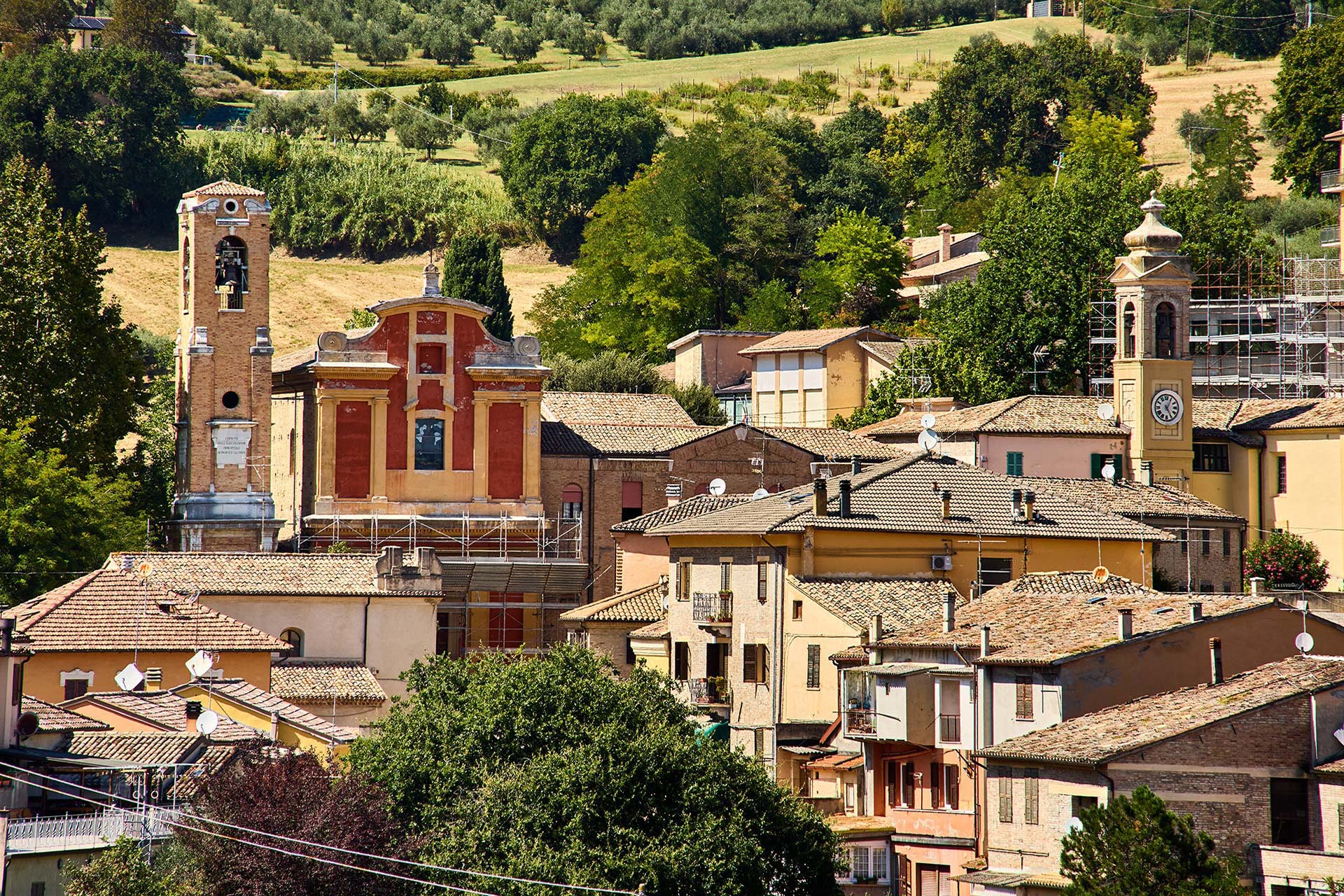
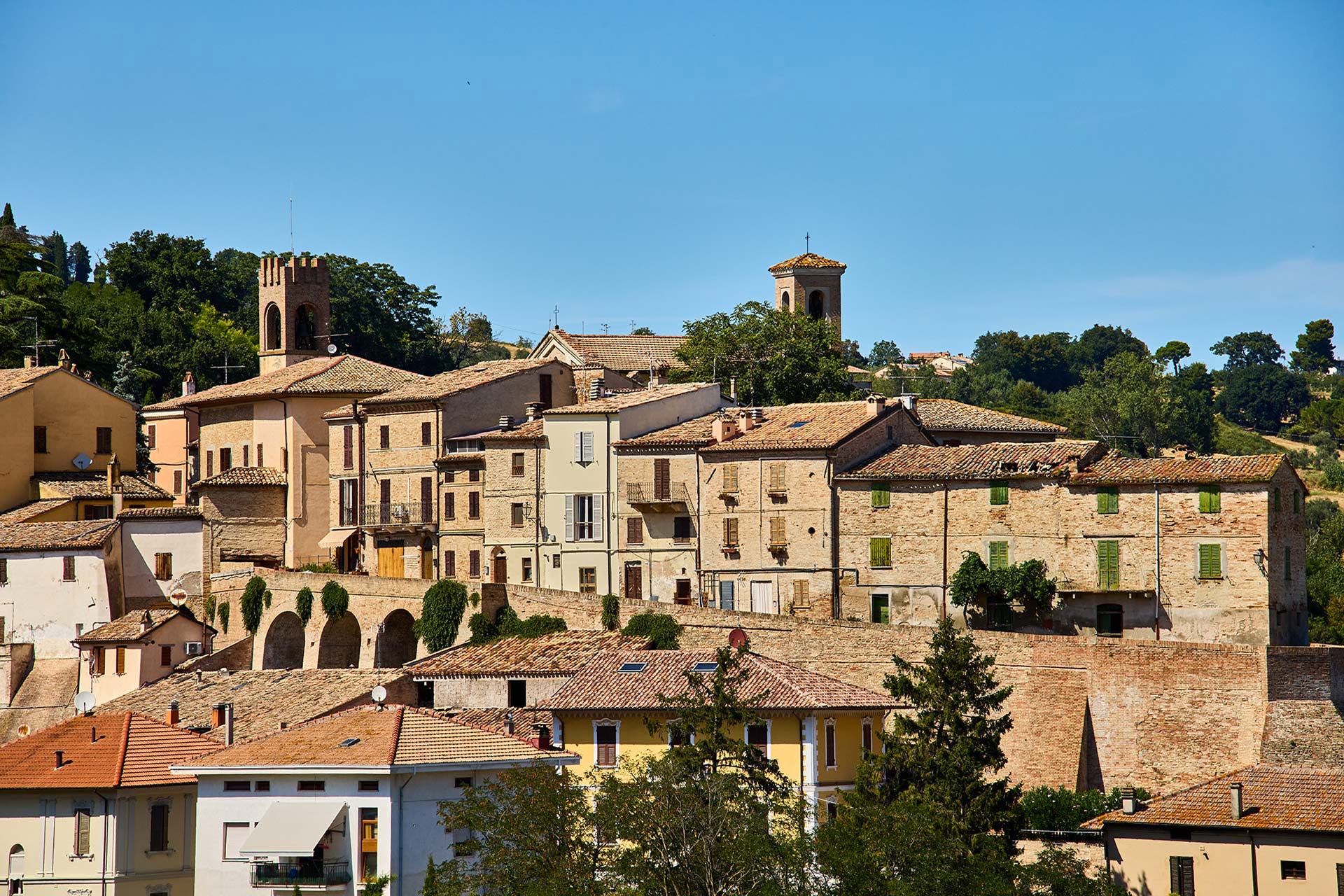
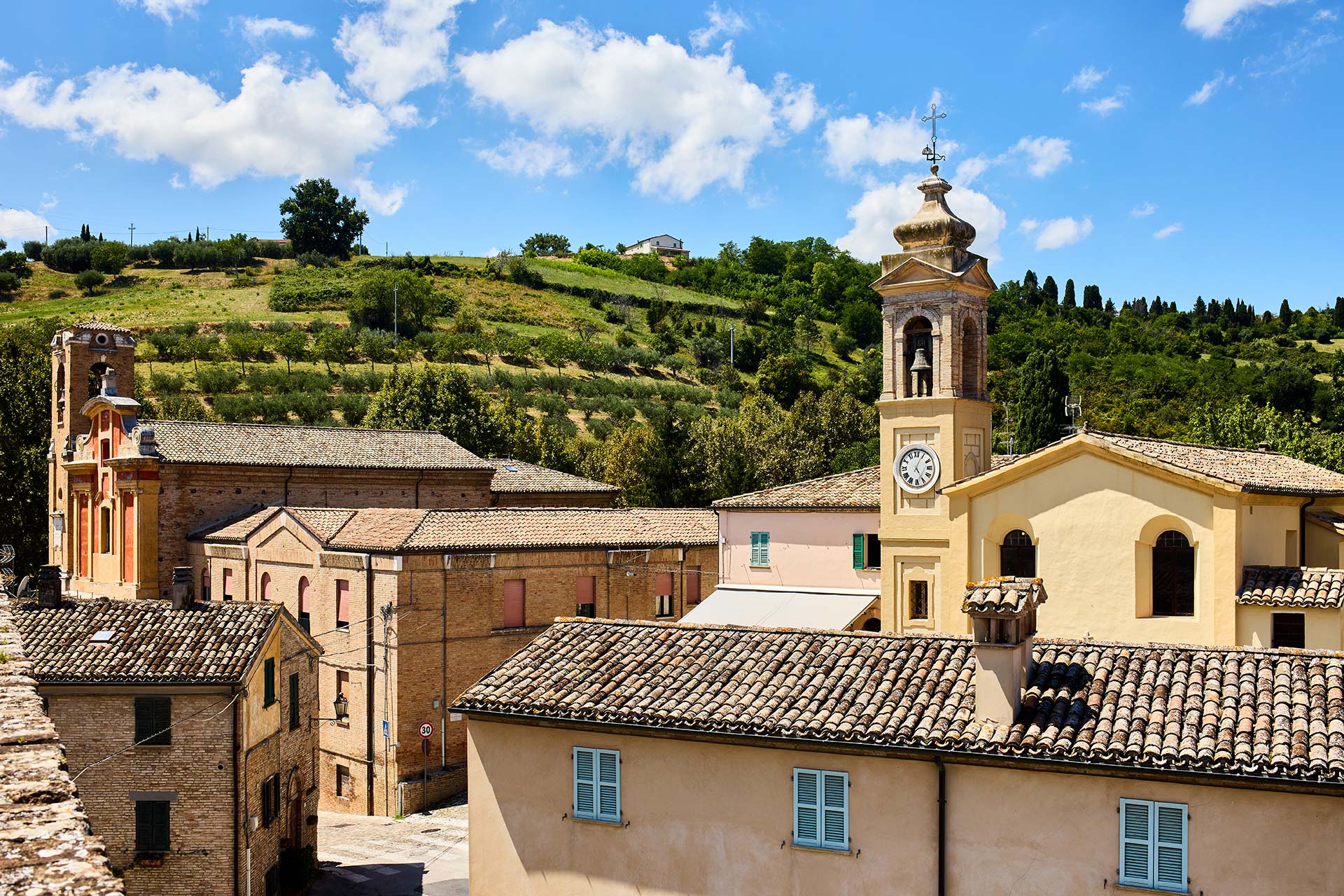
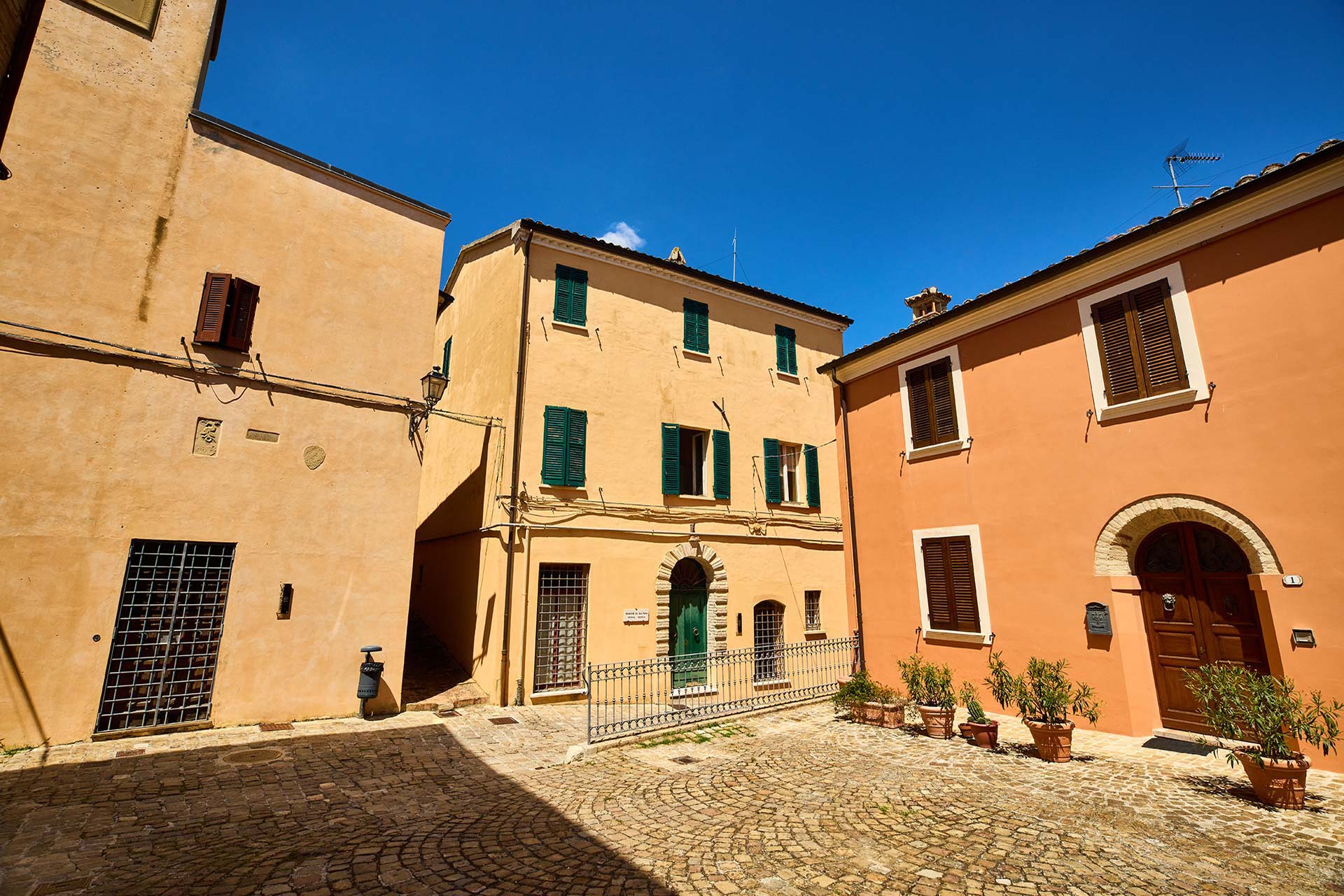
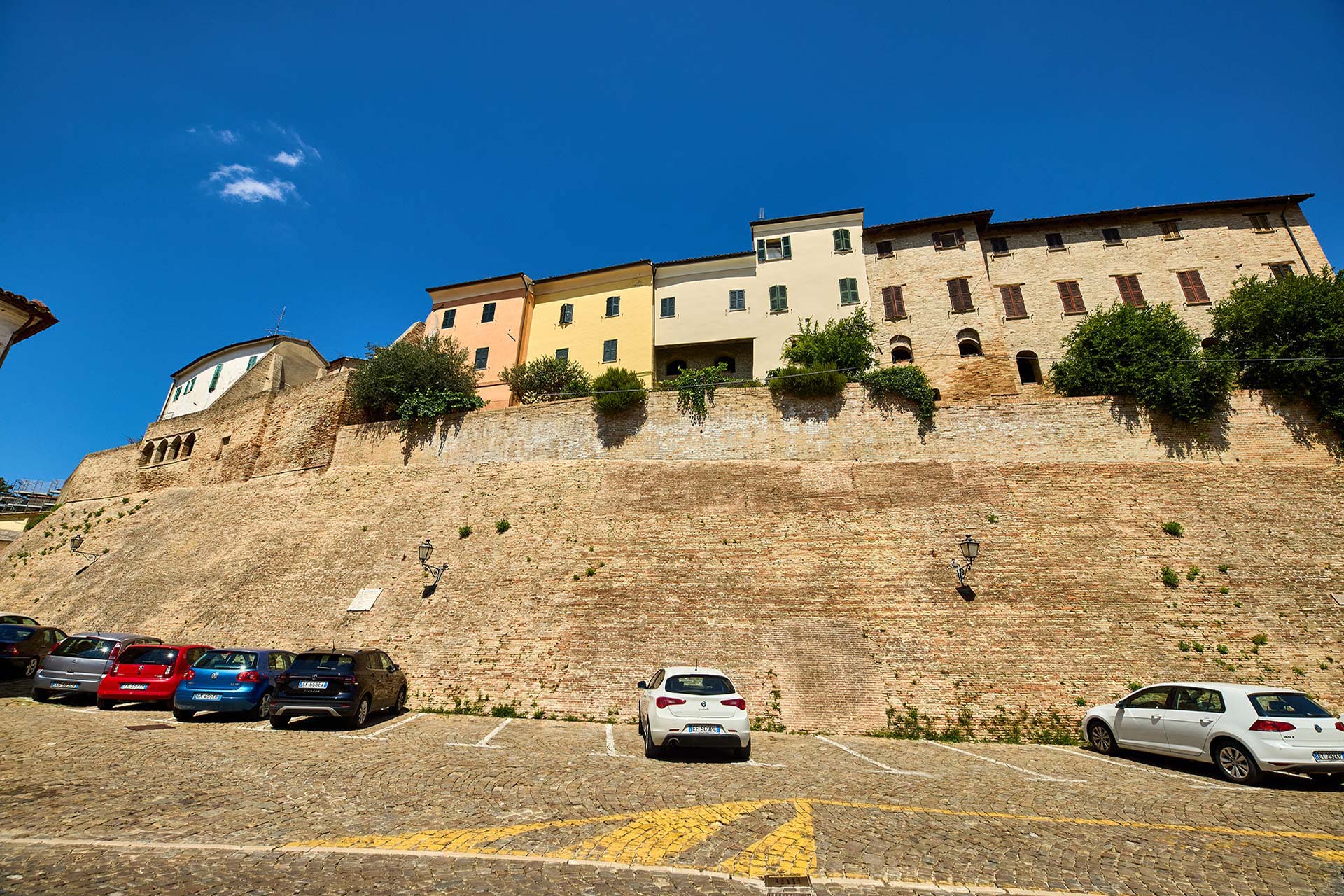
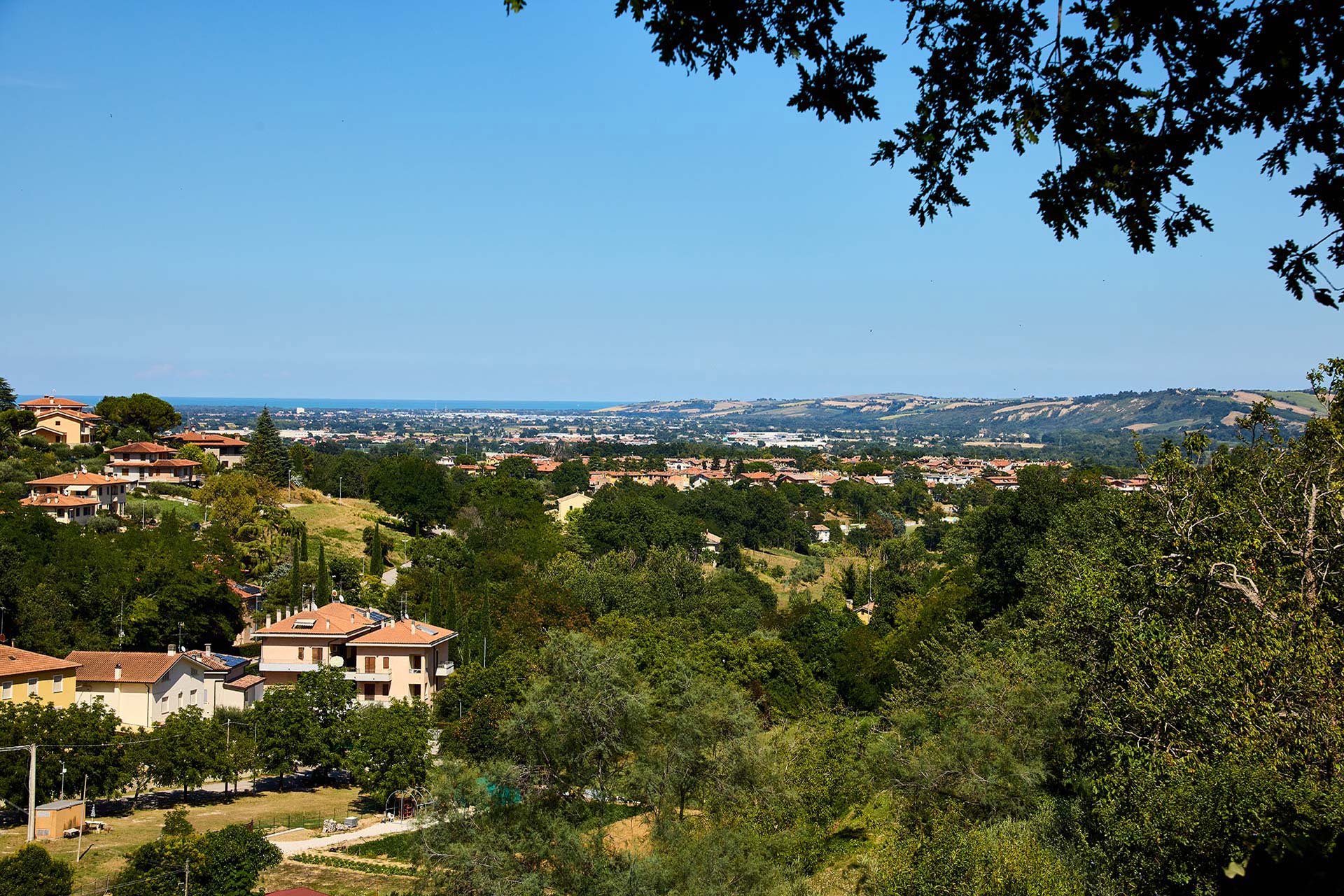
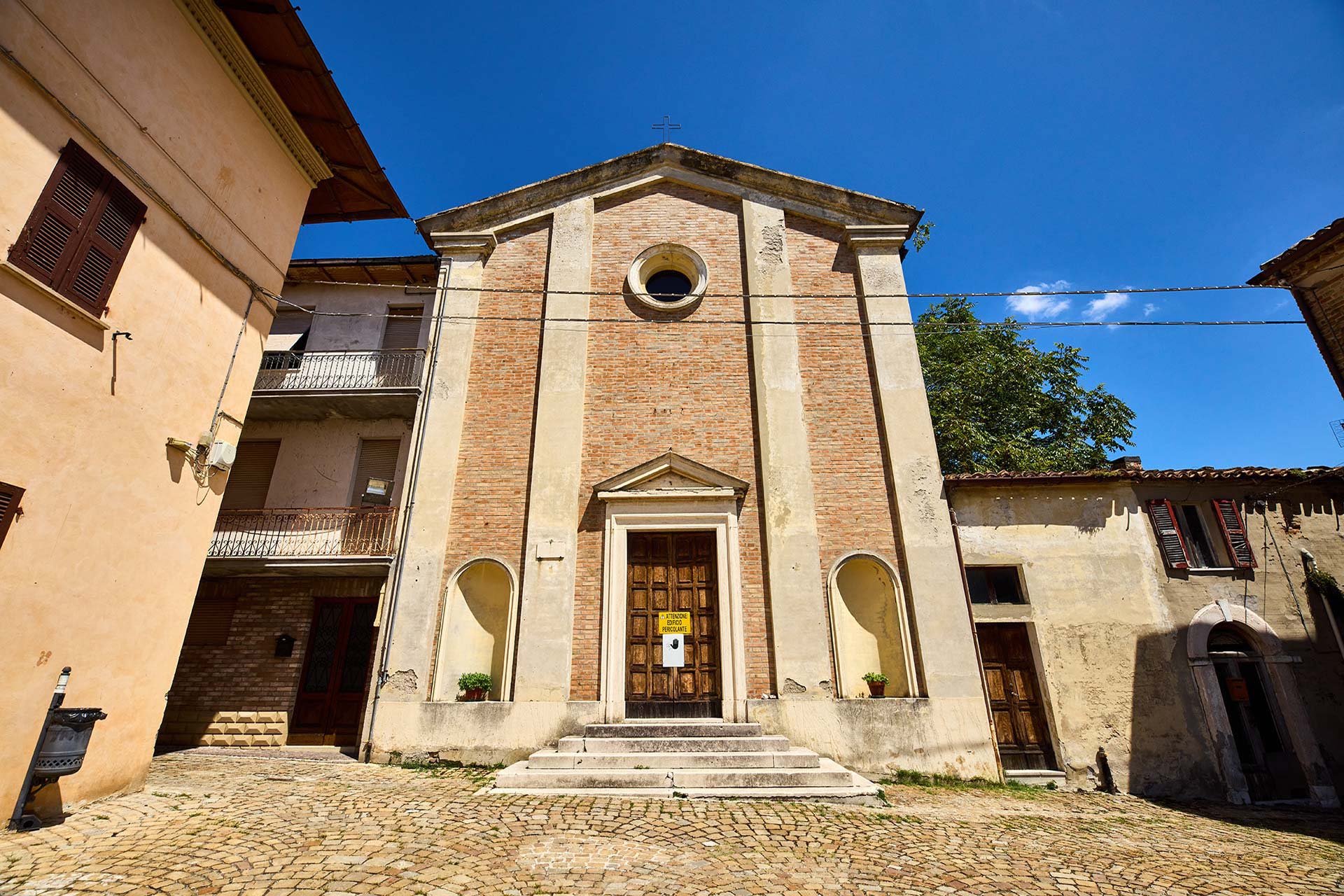
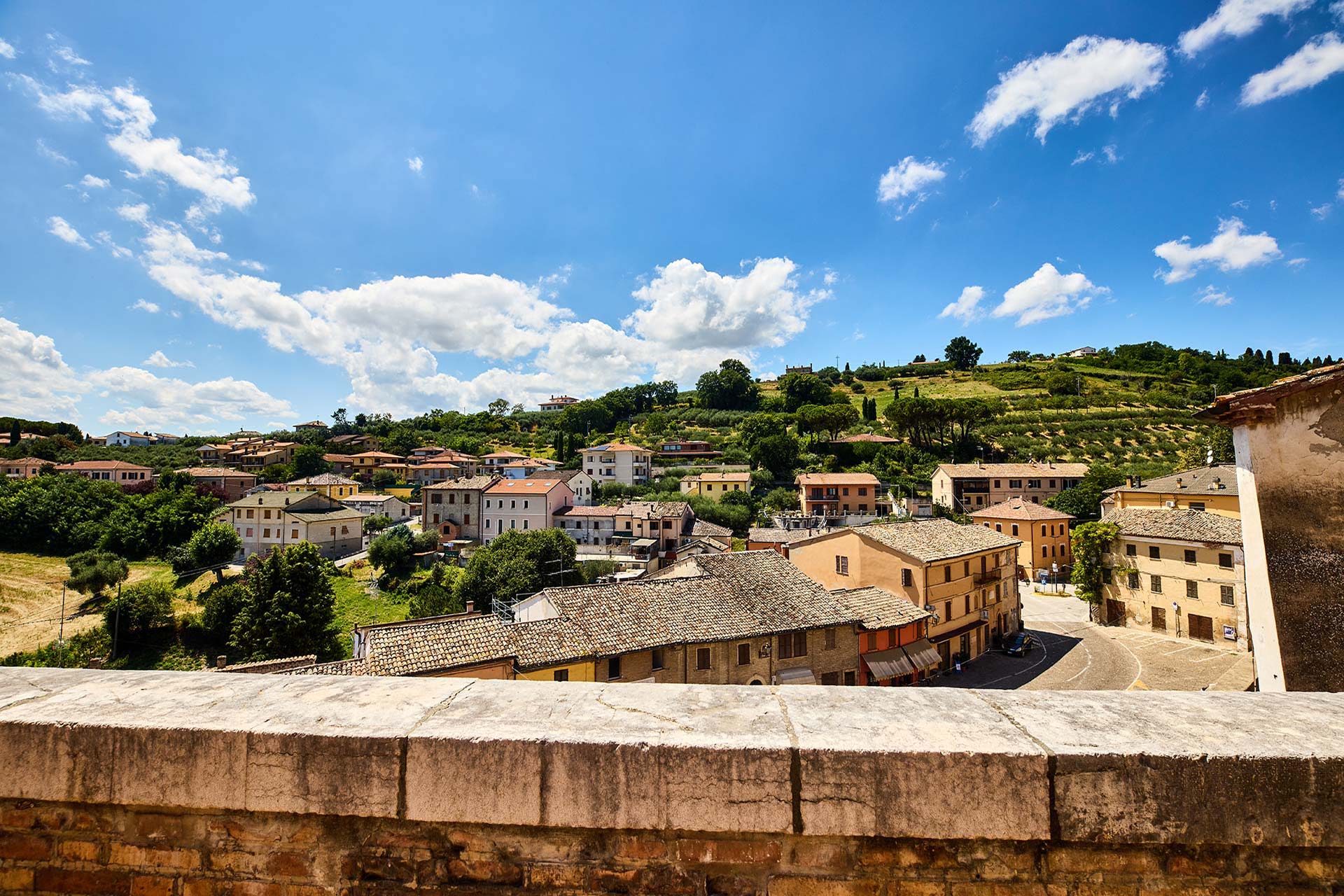
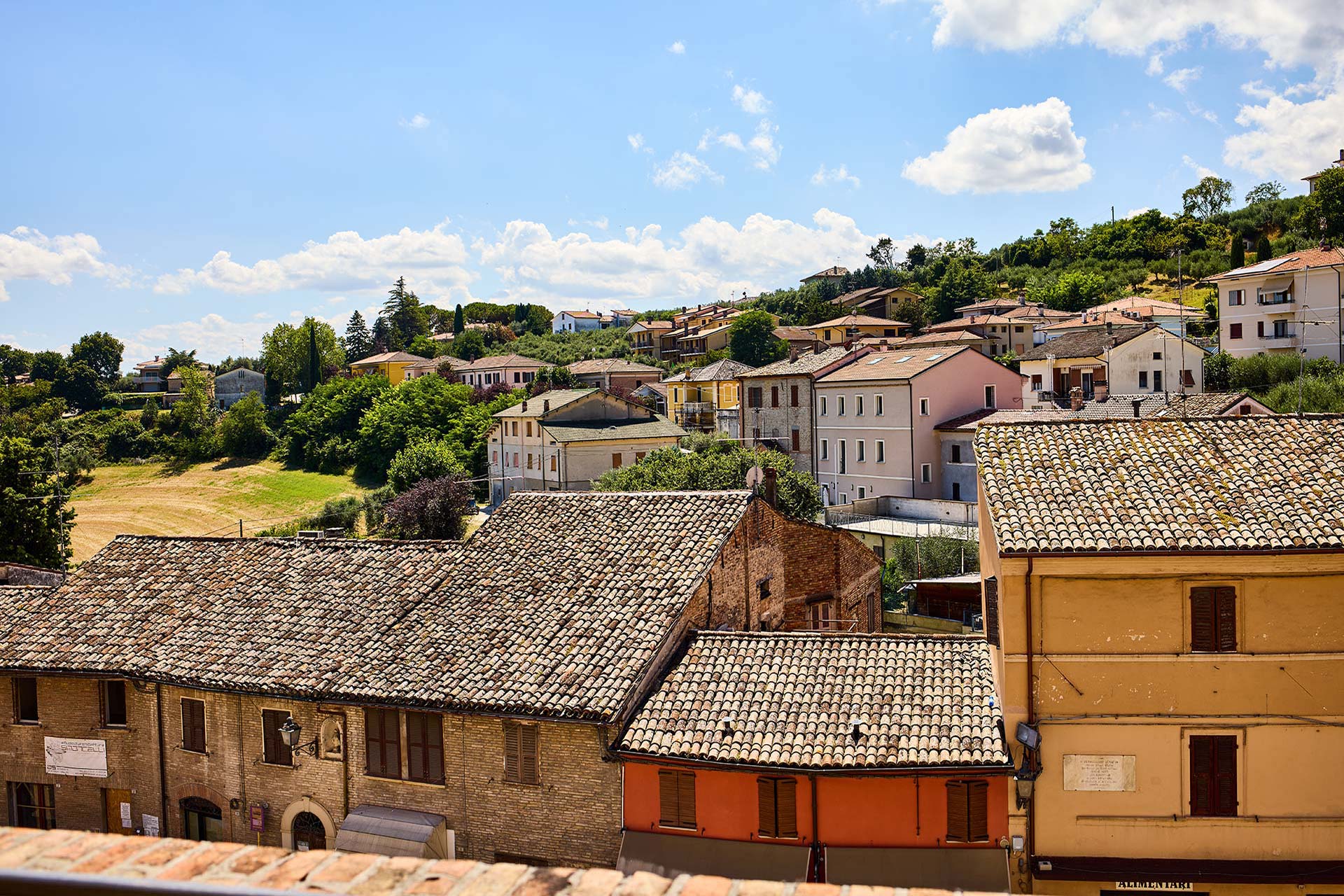
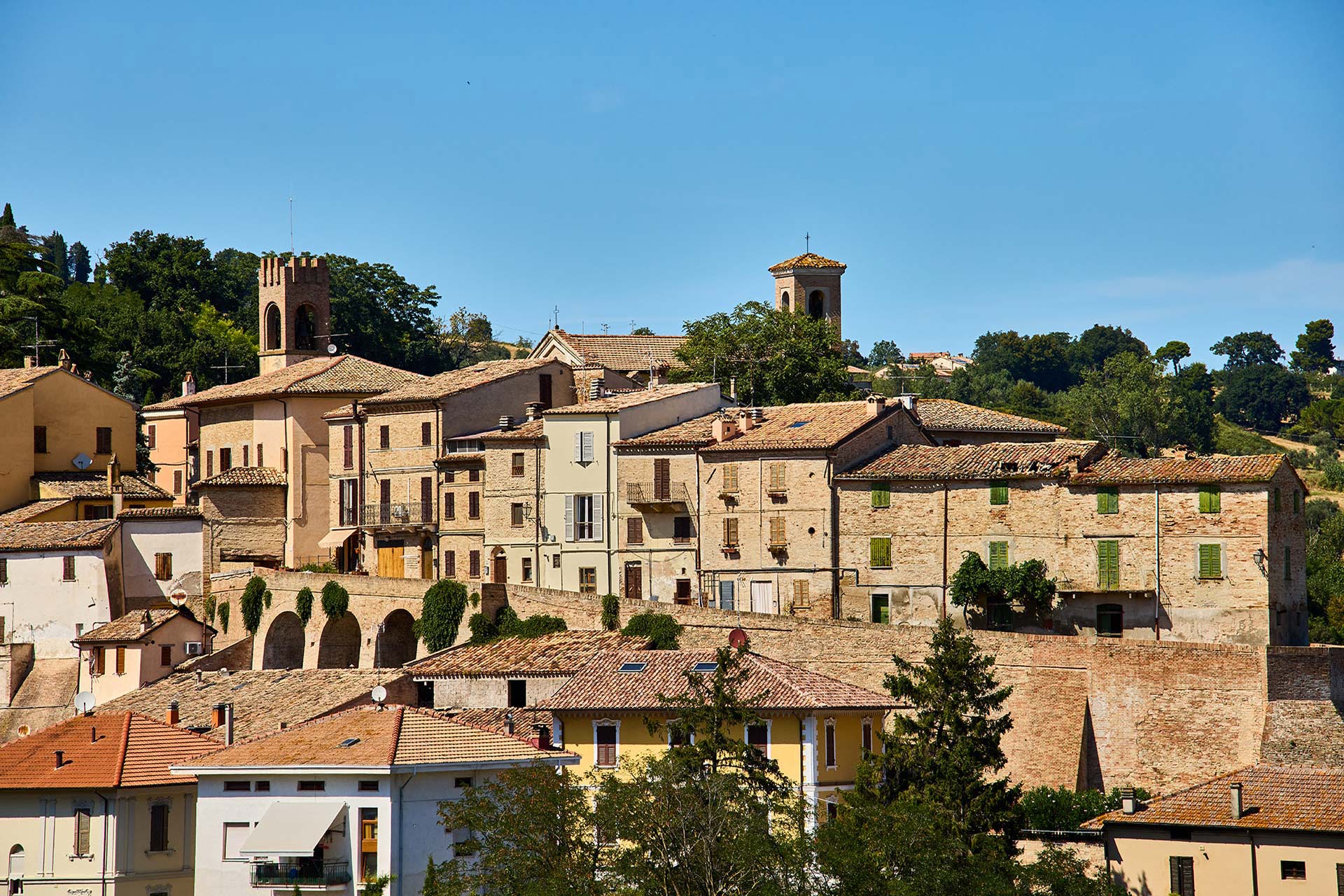
Saltara is a hamlet of Colli al Metauro, a municipality with more than 12,000 inhabitants in the province of Pesaro and Urbino, established on January 1, 2017, following the merger of the municipalities of Montemaggiore al Metauro, Saltara and Serrungarina. The picturesque castle of Saltara, with its imposing circle of walls, still retains its original medieval appearance; it stands on a hill that bounds for a stretch the valley of the Metauro River, along which the Via Consolare Flaminia (9 AD) runs.
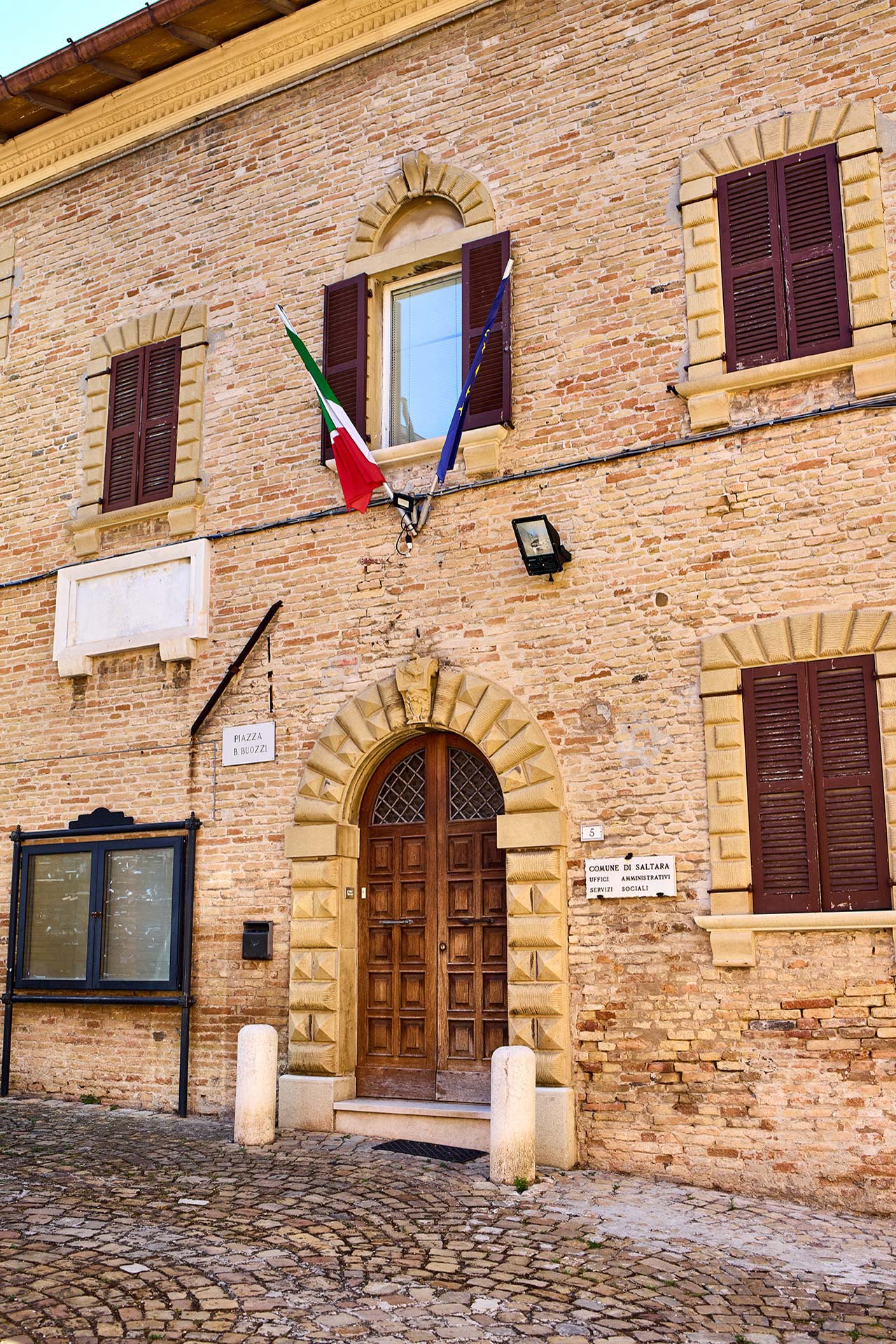
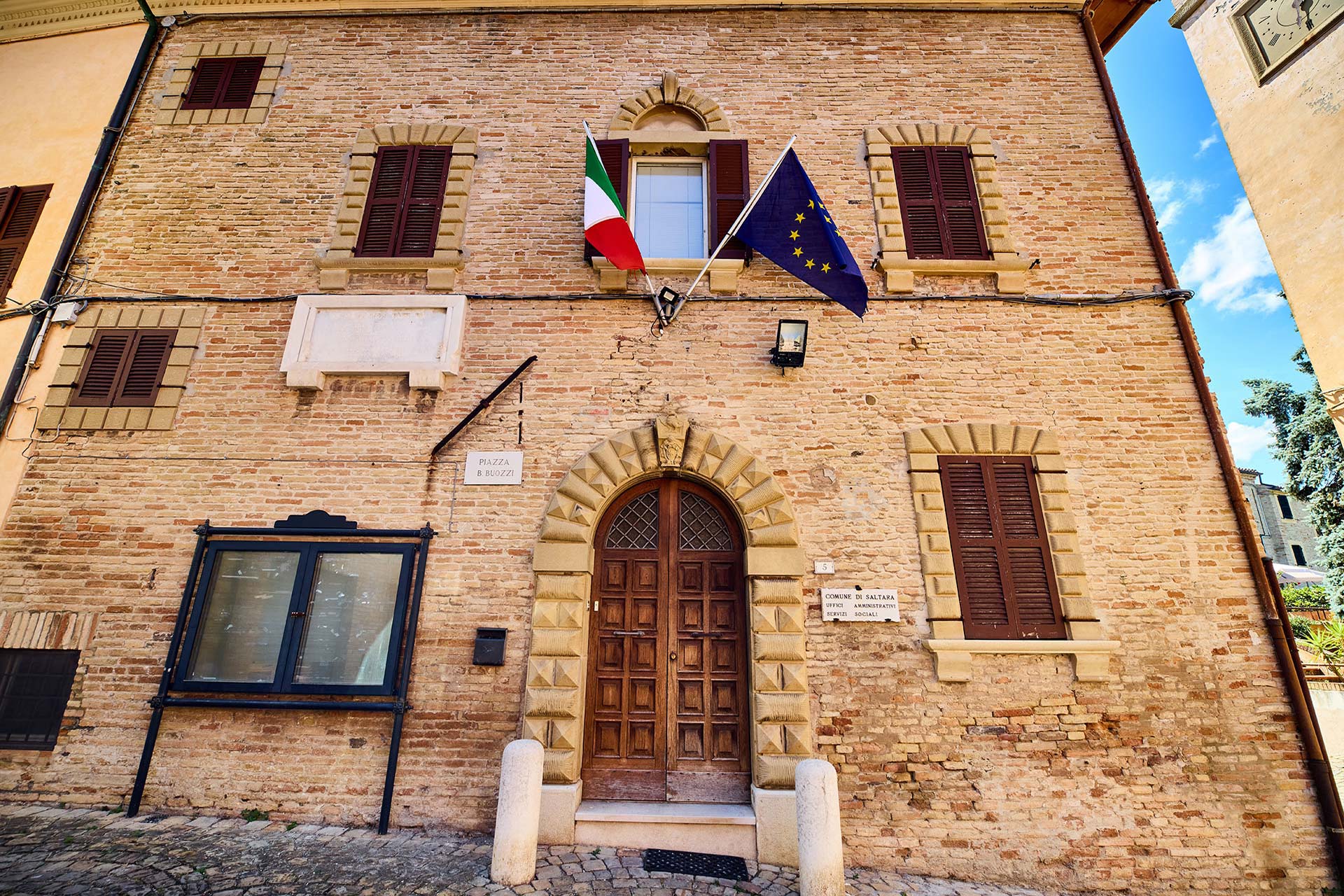
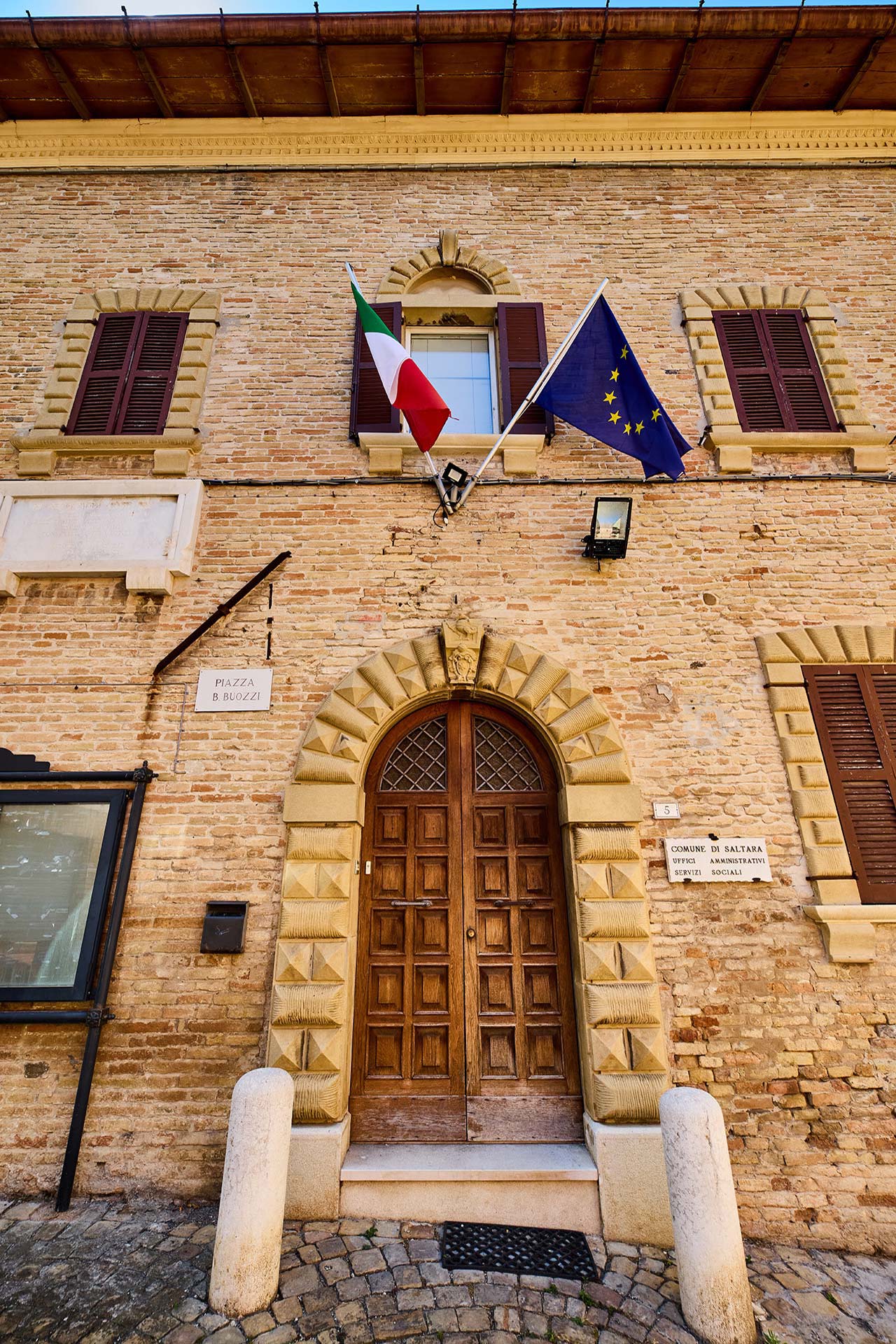
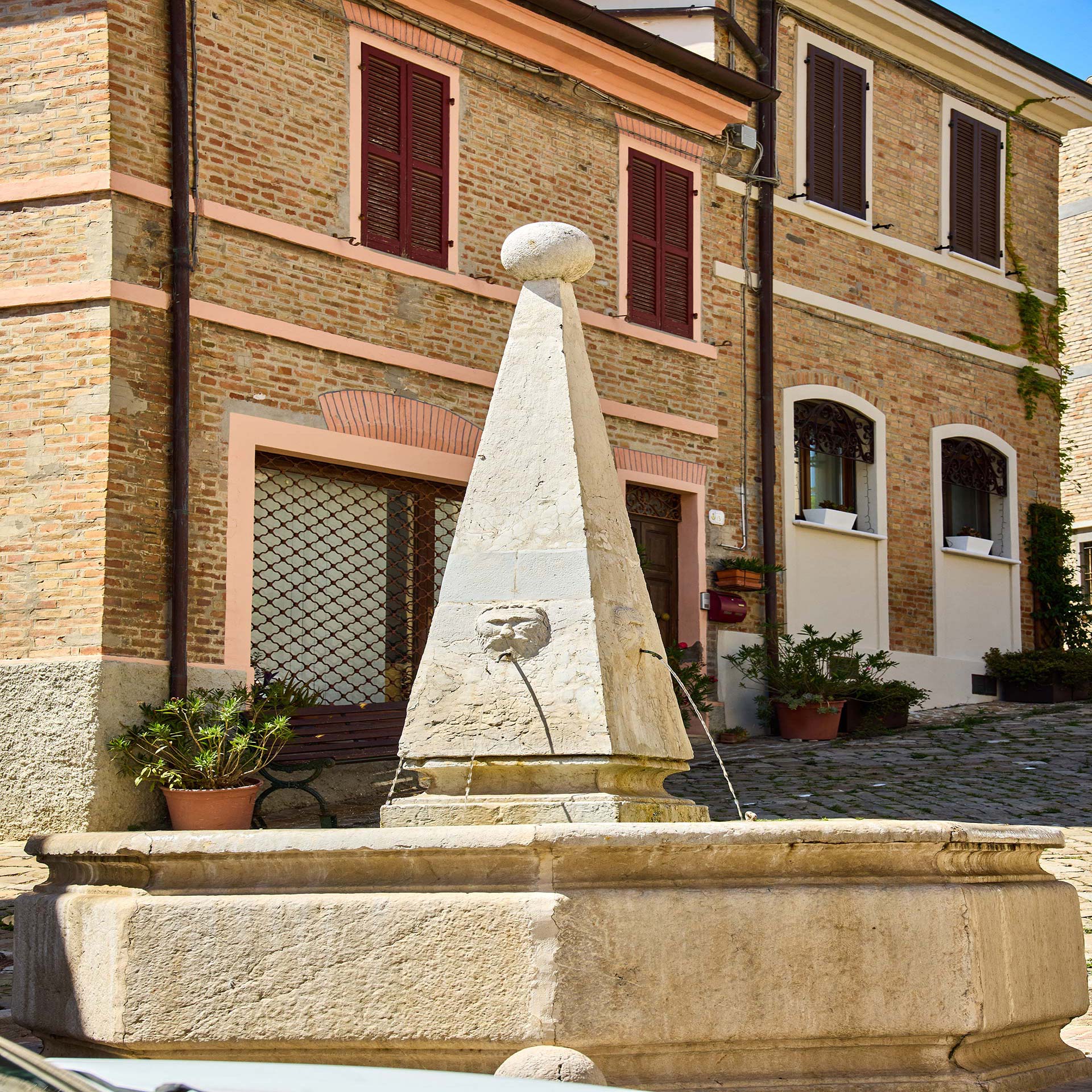
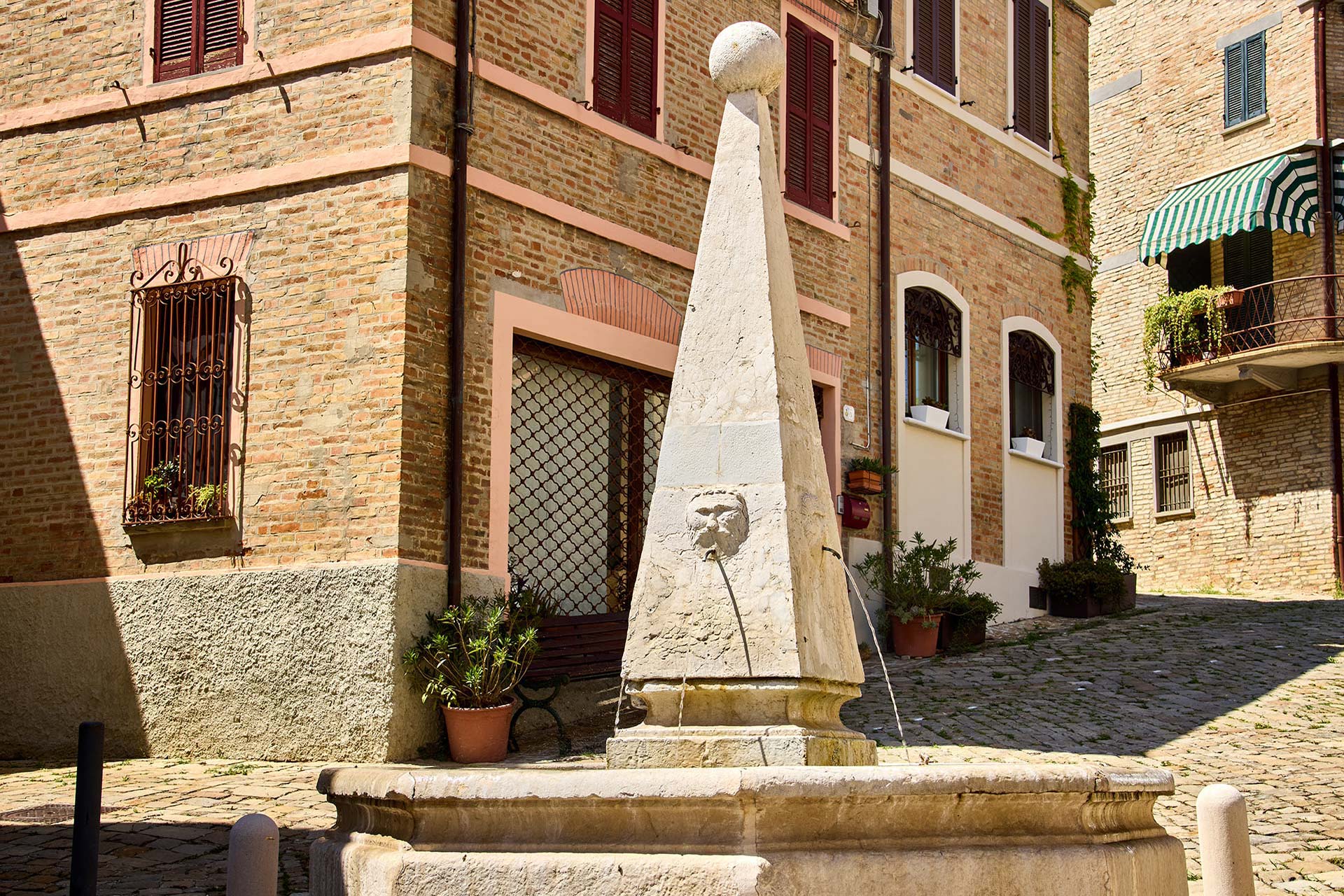
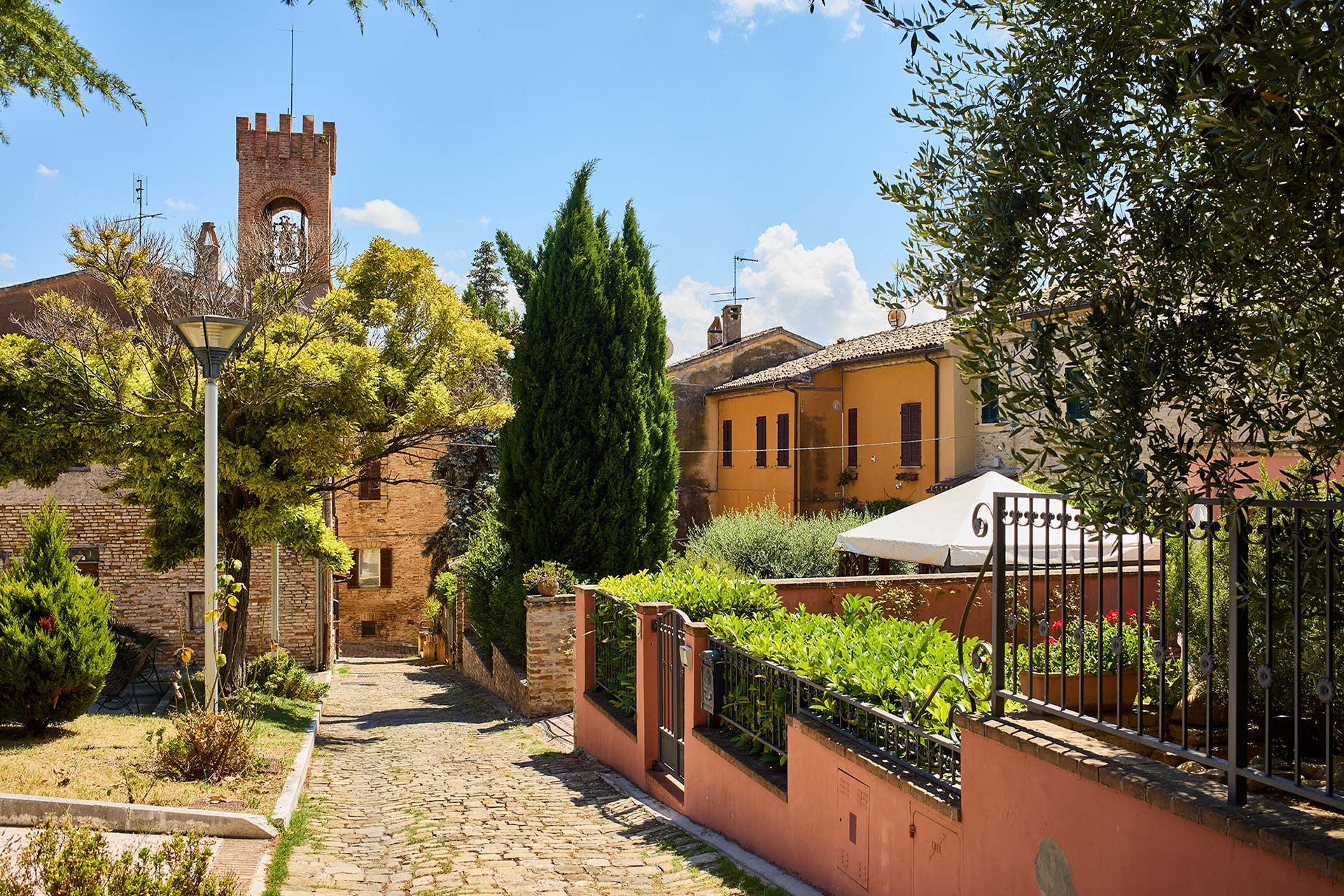
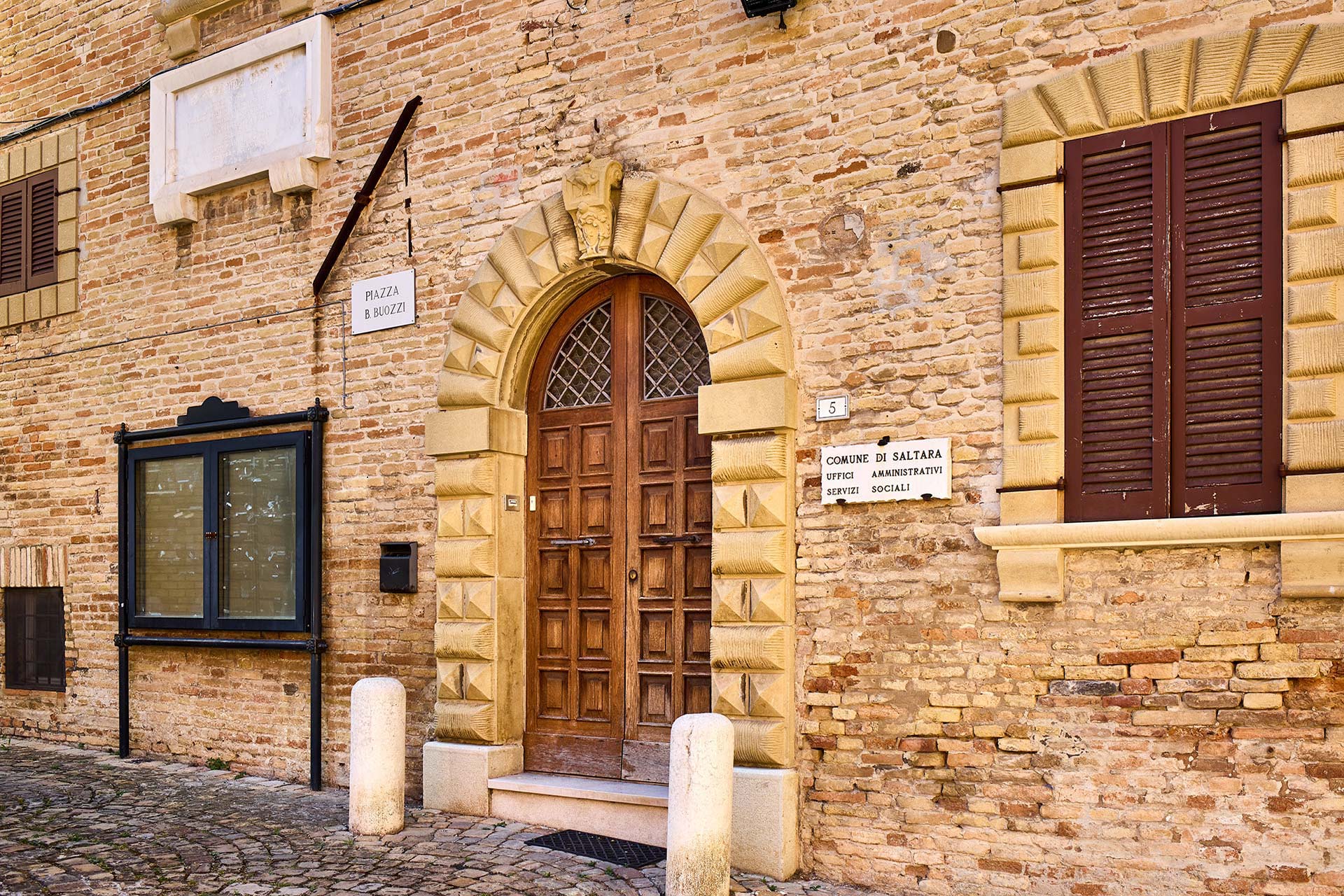
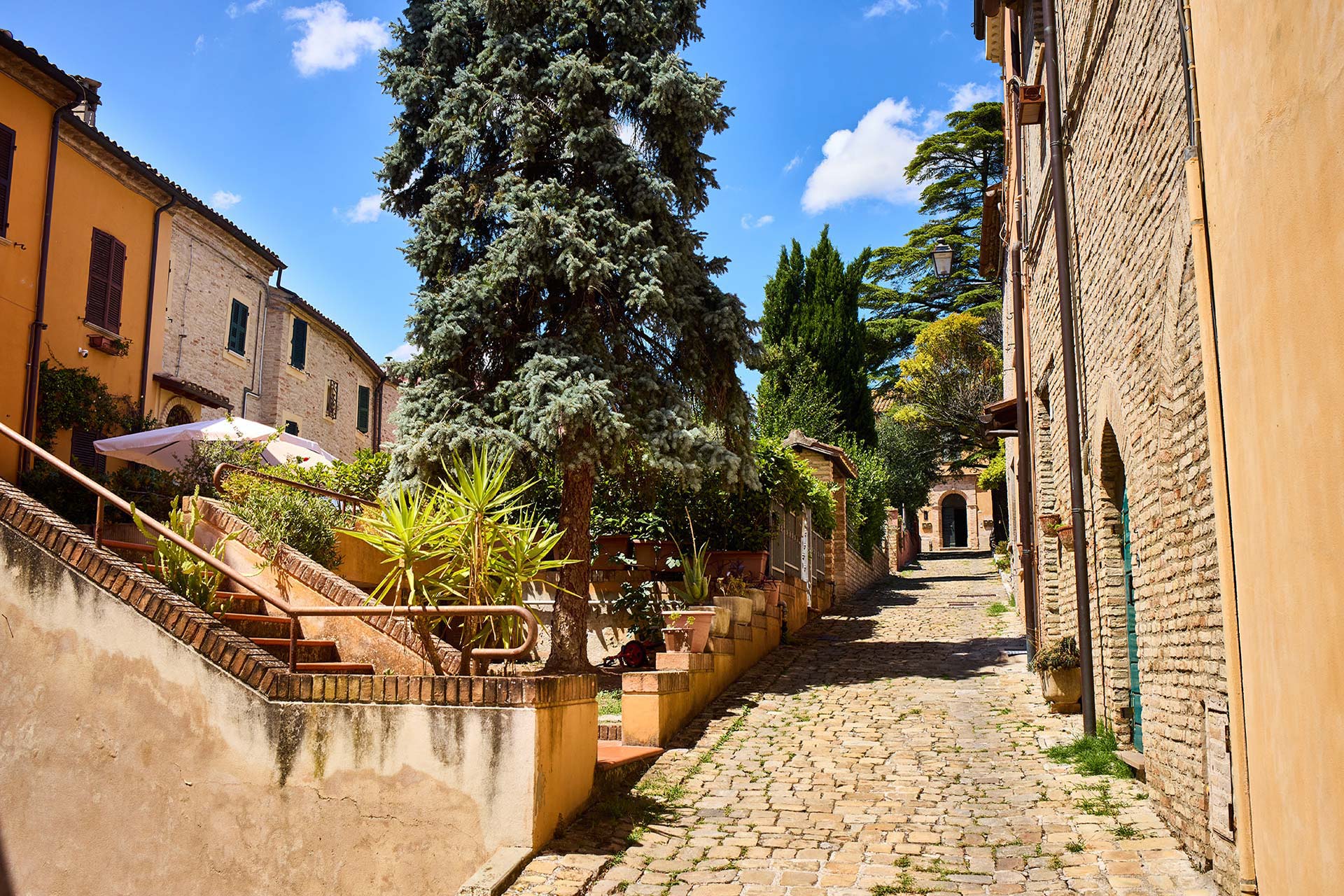
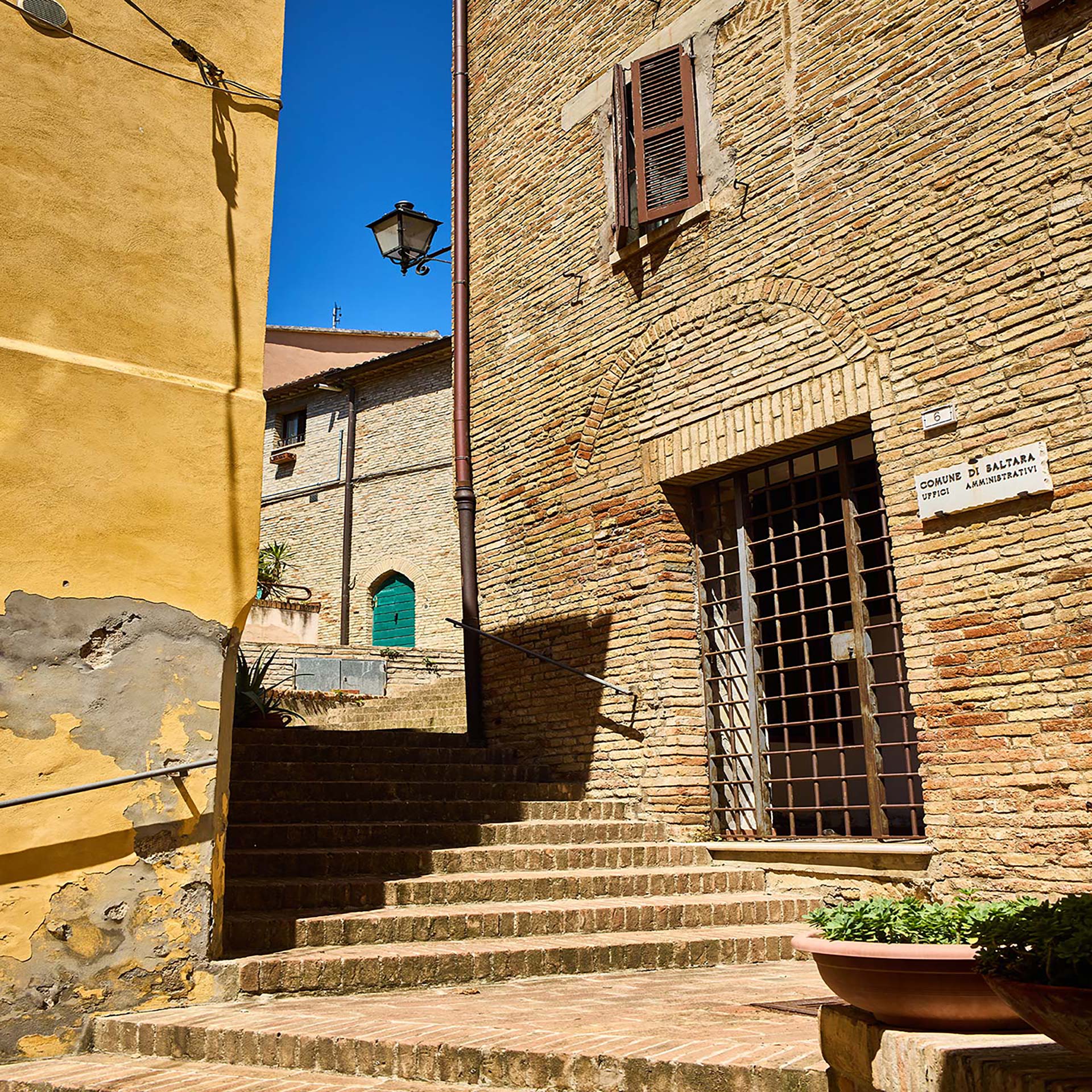
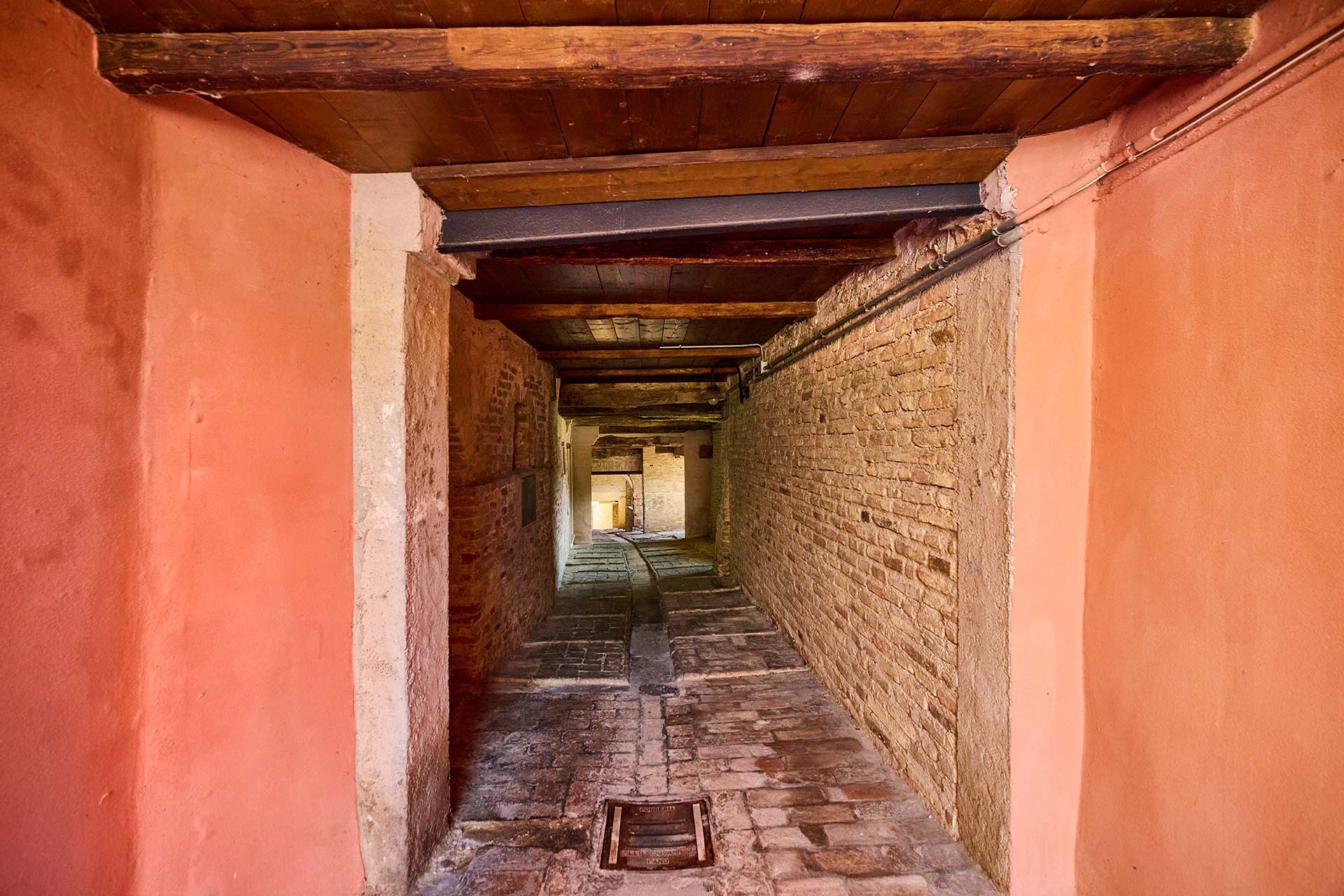
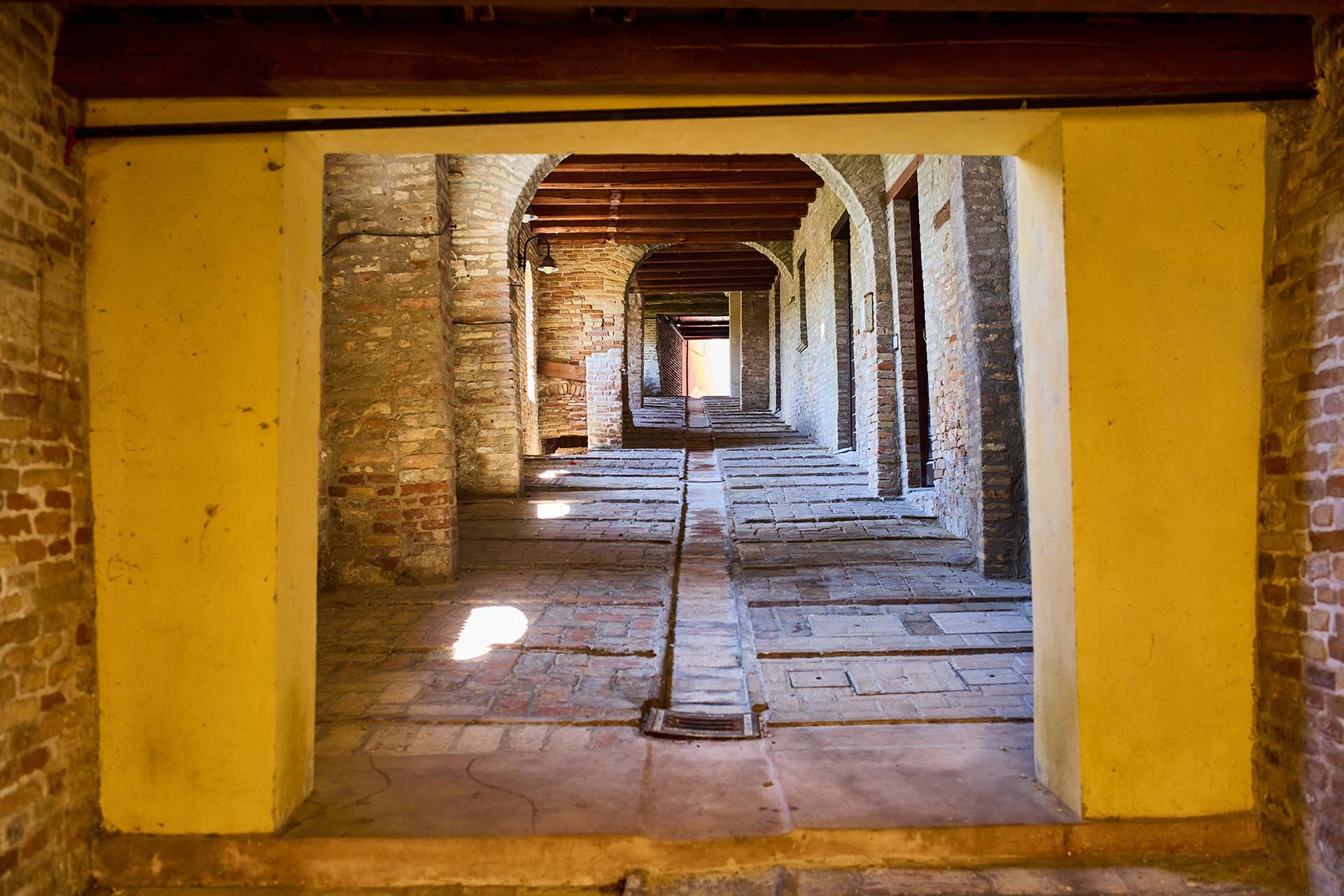
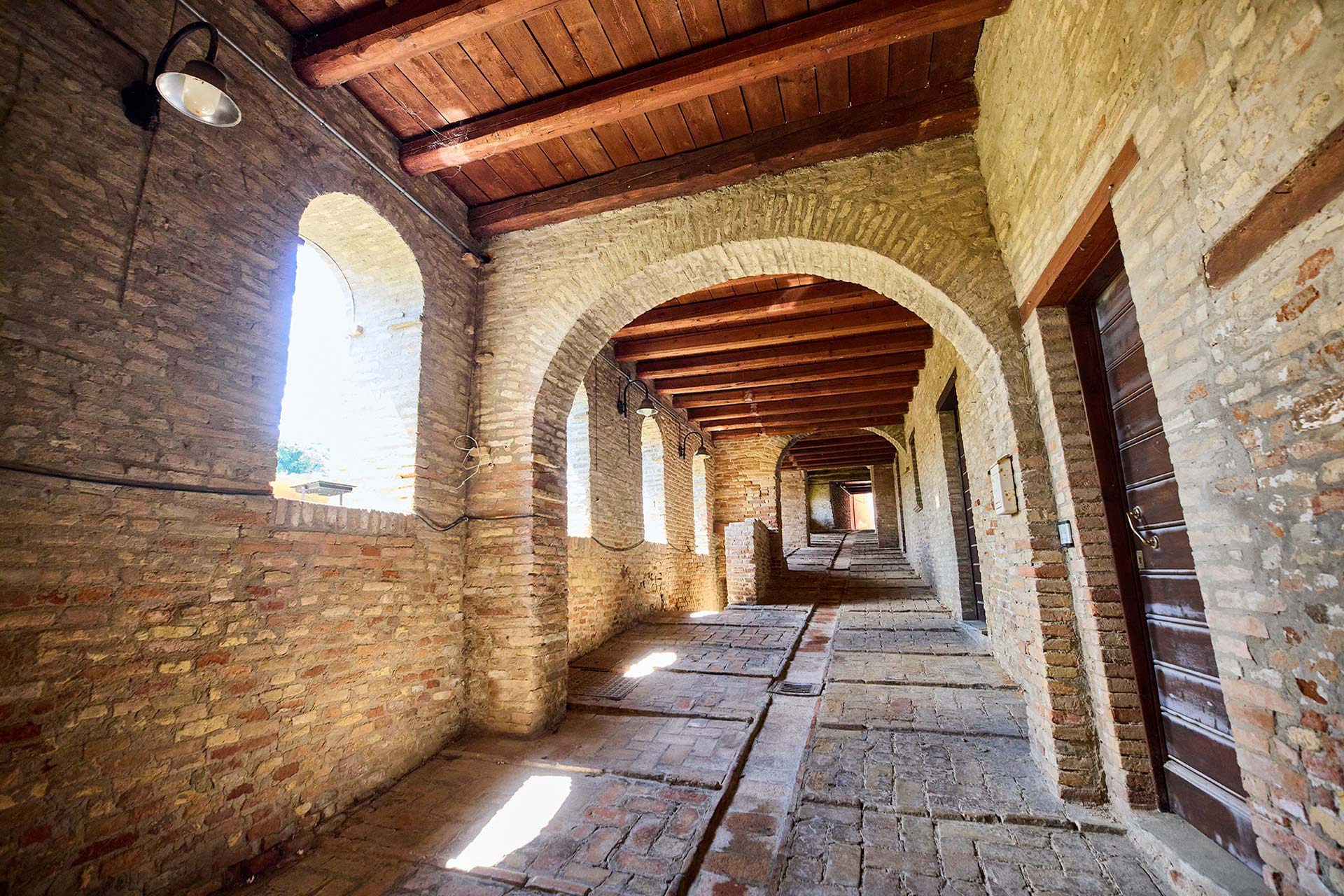
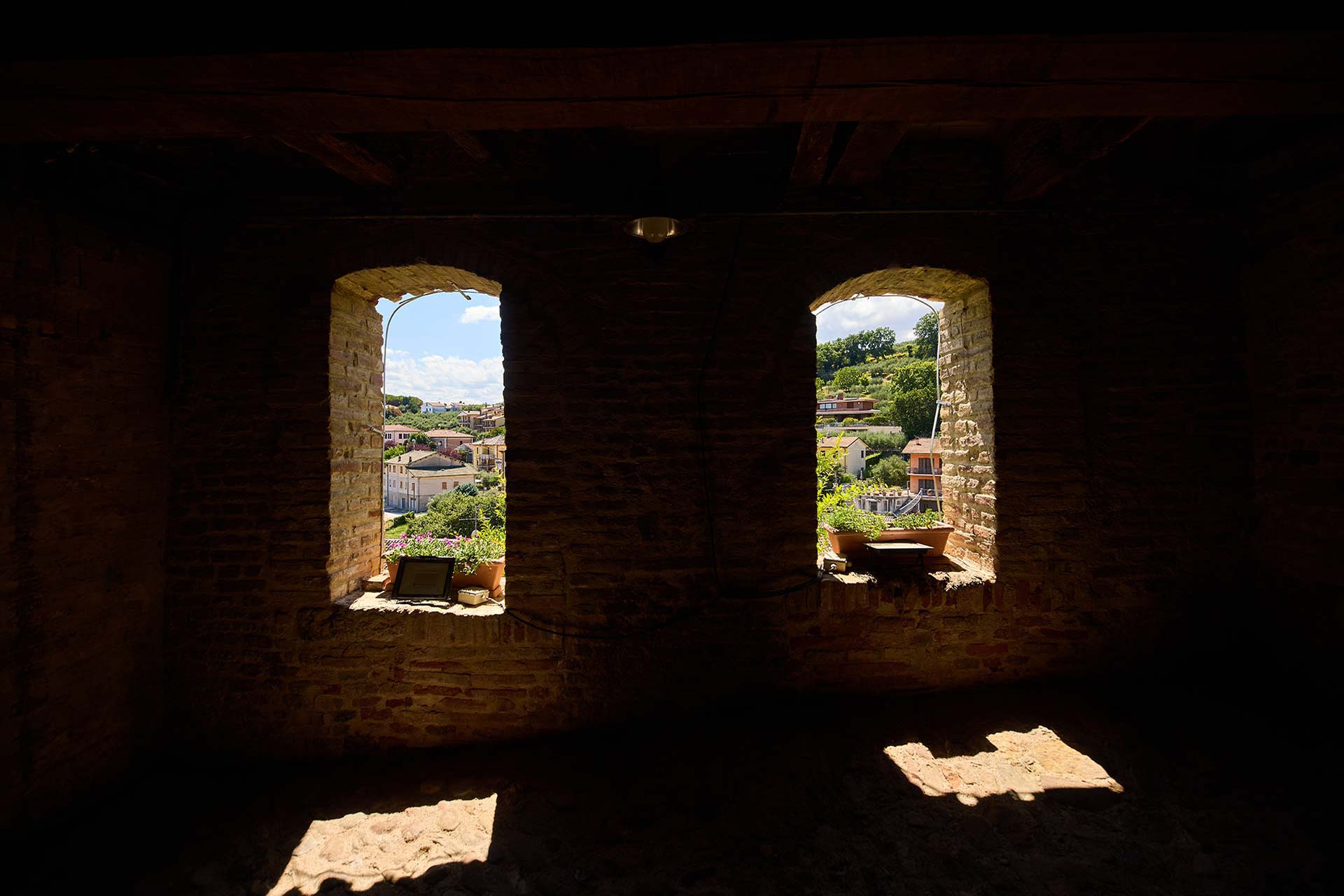
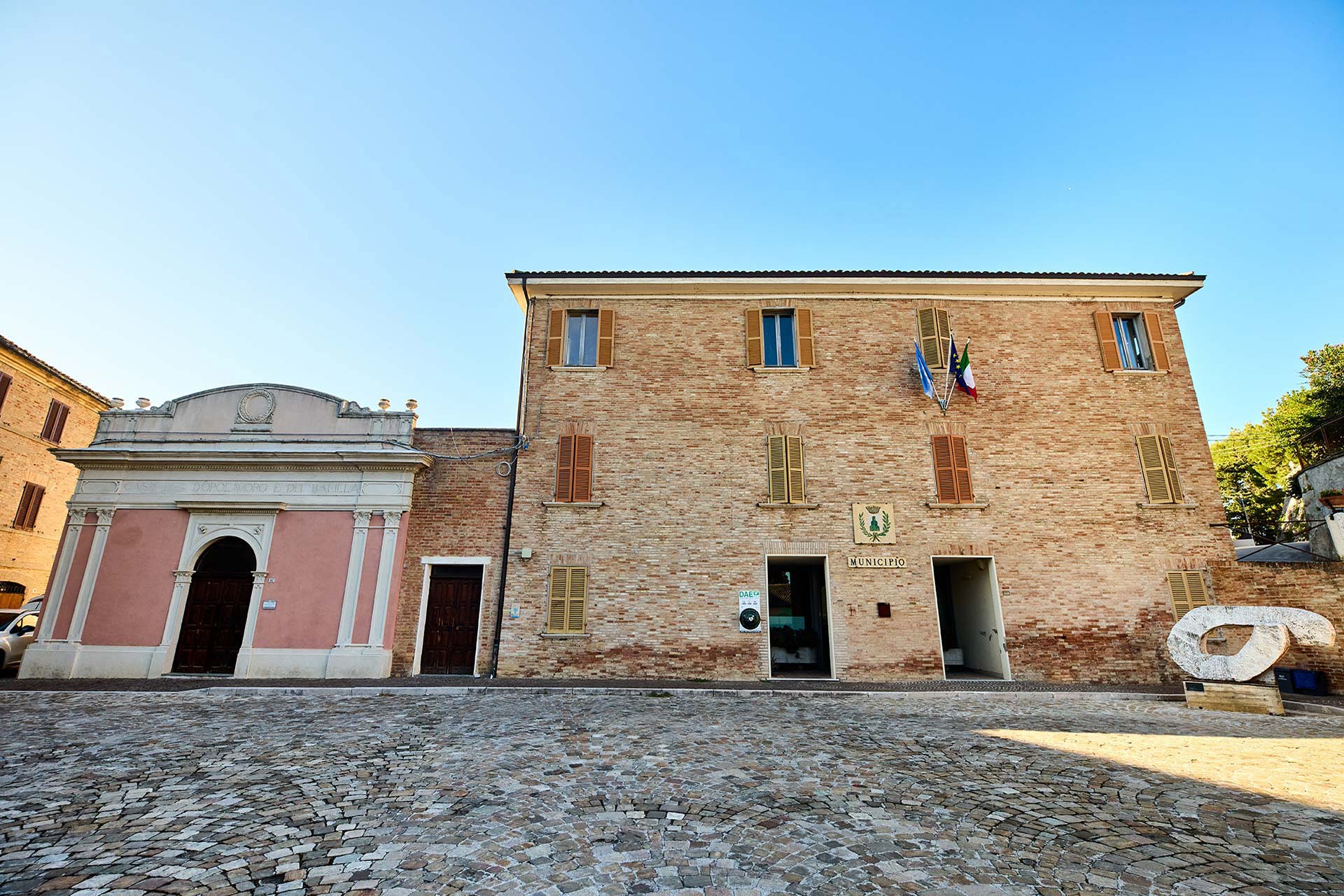
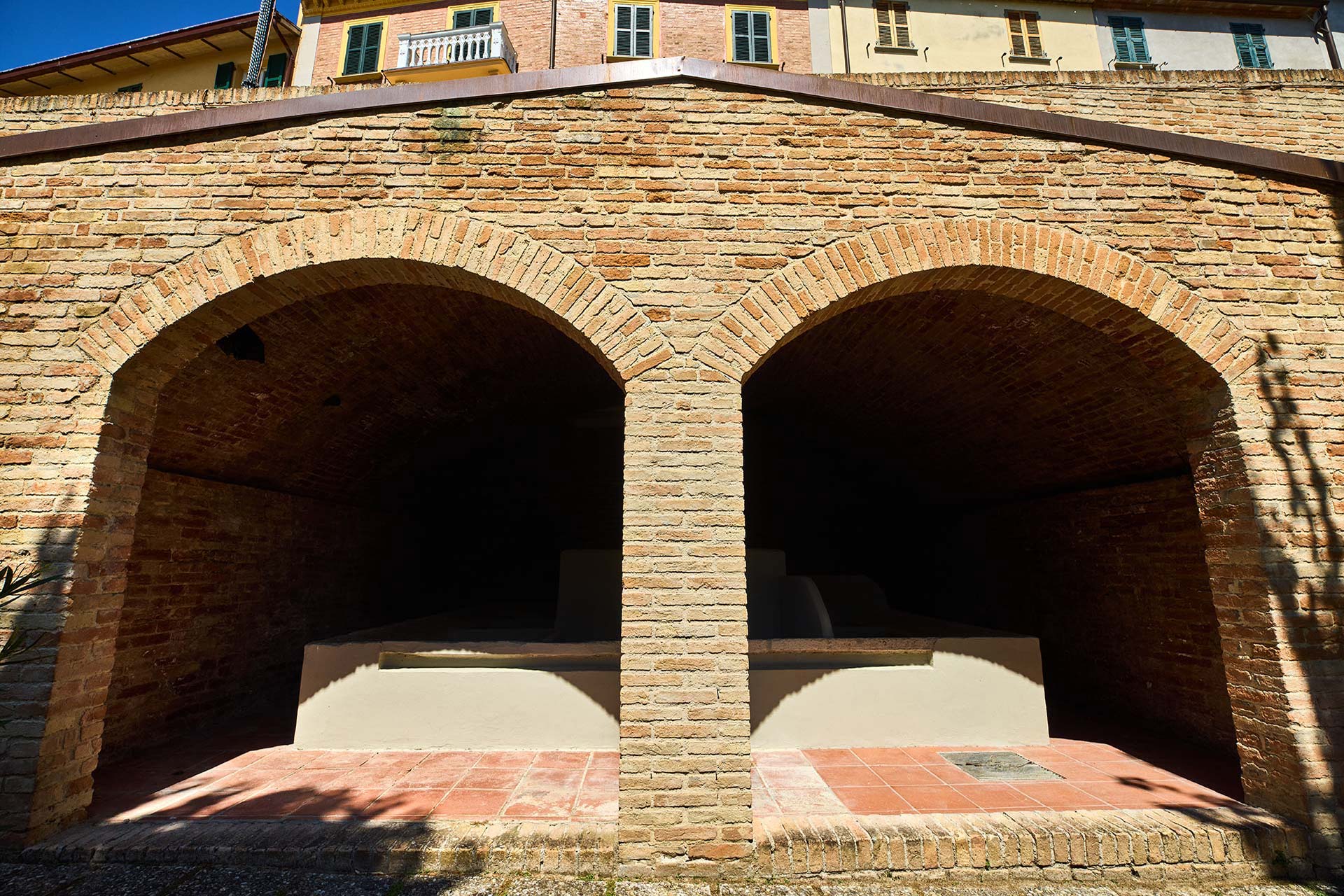
The origins of the village date back to the early medieval period, as evidenced by the papal bull of 872, while the deed defining Saltara as a “castrum” dates back to 1176. Its walls, shaped like a vessel with the tip pointing downstream, are the fascinating result of the fortification of the time when the village was under the rule of the Malatesta family of Rimini in the 13th and 14th centuries. Walking through the village, one can admire the charming Piazza Garibaldi, from which the staircase leading to the “Mercati Coperti” (Covered Markets) starts. This unusual structure with porticoes and large windows, formerly used as a driveway and site of the weekly market thanks to a concession from the Malatesta family in 1449, is a place of historical and architectural interest. Next to the Mercati Coperti are the "Palazzo Comunale" and the "Torre Civica," adorned with fragments of the Malatesta coat of arms, a shield decorated with checkered bands and a winged dragon with lion's paws, the symbol of the town.
Gallery
Where
You might also be interested
Territori spiegati in Viaggio nei borghi di Colli al Metauro - CUP J51C24000420004 - Questo intervento è stato realizzato con il contributo di 45.000€ dell’Unione europea Bando POR FESR Marche 2021-2027 - Asse 1 - Azione 1.2.2 - Int. 1.2.2.2 Bando per “Servizi digitali integrati”



